30+
Years Of Experience
Warm Air From Your AC Vents
AC Blowing Warm Air in Lexington for refrigerant issues, compressor failure, and thermostat problems
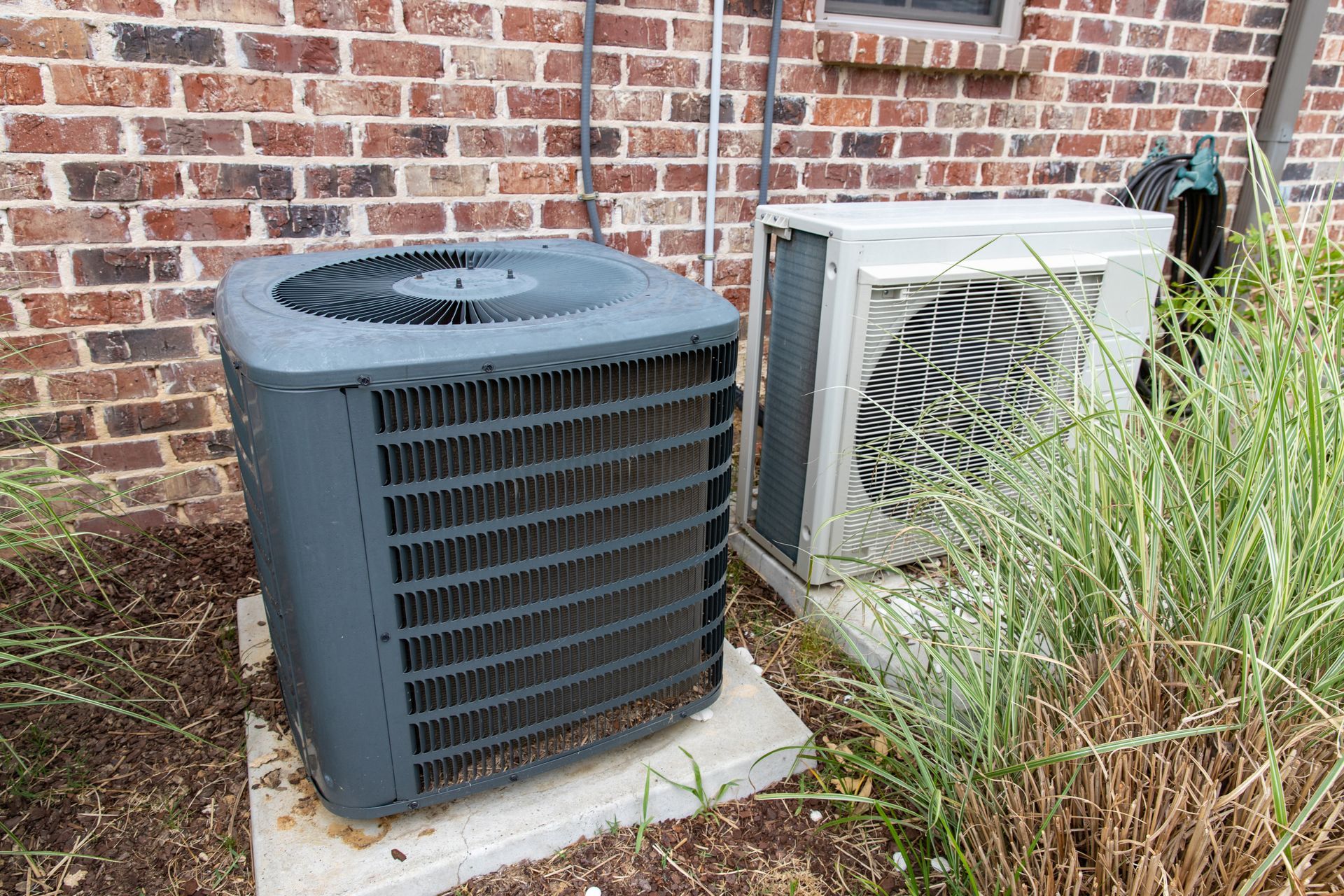
Warm air from your AC vents means the blower is running but the refrigerant cycle isn't removing heat, and that happens when refrigerant has leaked out and left the system unable to absorb warmth, when the compressor has failed and stopped circulating refrigerant through the coils, or when the thermostat isn't signaling the outdoor unit to turn on. You expect cold air and instead feel room-temperature or even slightly warm airflow from the supply registers. White Knoll Heating and Cooling handles AC systems blowing warm air in Lexington by checking whether the outdoor unit is receiving power and running, whether refrigerant pressures indicate a leak or restriction, and whether the thermostat is calling for cooling correctly.
Before scheduling service, walk outside and listen for the outdoor unit—if the fan isn't spinning and the compressor isn't humming, check your thermostat to confirm it's set to cool and the temperature setting is below the current room temperature. If the thermostat display is blank, replace the batteries or check the circuit breaker. These quick checks sometimes reveal a simple fix that restores cooling without a service call.
Request a service visit to determine why your outdoor unit isn't running or why refrigerant isn't circulating through the system.
Why AC Systems Blow Warm Air and What Gets Fixed
An AC blows warm air when the outdoor condensing unit stops running due to a tripped breaker, a failed capacitor that prevents the compressor from starting, or a seized compressor that can't pump refrigerant through the system. Refrigerant loss also produces warm air because even if the compressor runs, there isn't enough refrigerant to absorb heat from the evaporator coil. Thermostat wiring problems or a misconfigured setting can prevent the cooling signal from reaching the outdoor unit, leaving the blower running while the compressor stays off.
After the repair, cold air returns to the vents within minutes of the system restarting, the outdoor unit runs steadily when the thermostat calls for cooling, and the indoor temperature begins dropping toward the set point instead of climbing or staying flat. A system with a replaced capacitor or recharged refrigerant performs the same way it did when first installed, and the compressor cycles on and off naturally based on temperature demand rather than staying silent.
Running your AC while it blows warm air doesn't cool your home and may worsen the underlying problem—if the compressor is attempting to start but failing due to a bad capacitor, continued attempts can overheat the motor windings and cause permanent damage that requires compressor replacement. Turning the system off and switching to fan-only mode keeps air moving without stressing failed components until the repair is completed.
Questions Homeowners Ask About Warm Air From AC
When your AC blows warm air, you typically want to know what failed, whether it's fixable, and how quickly it can be restored.
What's the difference between warm air and just not-cold air?
Truly warm air, meaning warmer than room temperature, usually indicates the system is in heat mode due to a thermostat wiring issue or incorrect setting; air that's room temperature or slightly cool means the blower runs but the refrigerant cycle isn't working, which points to refrigerant loss or a compressor problem.
How do I know if my compressor failed?
A failed compressor is silent when the thermostat calls for cooling, or it hums and vibrates without starting; a working compressor produces a steady hum and the refrigerant lines near the outdoor unit feel warm on one side and cool on the other within a few minutes of starting.
Can low refrigerant cause warm air even if the compressor runs?
Yes—if refrigerant levels drop low enough, the compressor circulates whatever remains but there isn't enough to absorb heat at the evaporator coil, so the air blowing into your home never gets cold and may feel only slightly cooler than the return air.
Why would my thermostat setting affect outdoor unit operation?
The thermostat sends a low-voltage signal to the outdoor unit to start the compressor and condenser fan; if wires are loose, corroded, or connected incorrectly, that signal doesn't reach the unit and only the indoor blower runs, which moves air without cooling it.
How long does it take to fix an AC blowing warm air in Lexington?
Repairs range from fifteen minutes for a tripped breaker or thermostat battery replacement to two hours for a capacitor swap or refrigerant recharge, though compressor replacement takes several hours and may require ordering parts if the unit is older or uses a less common refrigerant type.
White Knoll Heating and Cooling provides same-day diagnostics for AC systems blowing warm air and explains what failed and what the repair involves. Schedule an appointment to restore cold air to your vents and get your home cooling again.