30+
Years Of Experience
Unusual Sounds From Your AC System
AC Making Noise in Lexington for loose parts, belt and motor wear, and electrical issues
AC noise tells you what's failing before the system quits completely: a banging sound means something inside the cabinet has come loose and is hitting the fan blades or cabinet walls with each rotation, a high-pitched squeal points to a worn blower motor bearing or a slipping belt in older units, and repetitive clicking indicates a relay or contactor struggling to close or a failing capacitor attempting to start the compressor. White Knoll Heating and Cooling diagnoses AC systems making noise in Lexington by identifying which component is producing the sound, whether it's a mechanical part that needs tightening or replacement, or an electrical component sending signals that something is about to fail. Normal operation produces a low hum and the sound of air moving through vents, but banging, squealing, grinding, and clicking all indicate wear or damage that needs attention.
Different sounds carry different urgency levels—a faint squeal that occurs only during startup and fades after a few seconds may indicate minor bearing wear that can wait for scheduled maintenance, while loud banging or grinding sounds mean you should shut the system off immediately to prevent further damage. Clicking that repeats every few seconds without the compressor starting signals an electrical failure that won't resolve on its own and requires a service call.
Arrange a diagnostic visit to identify the noise source and address the failing component before it damages other parts of the system..
What Different AC Noises Mean and When to Respond
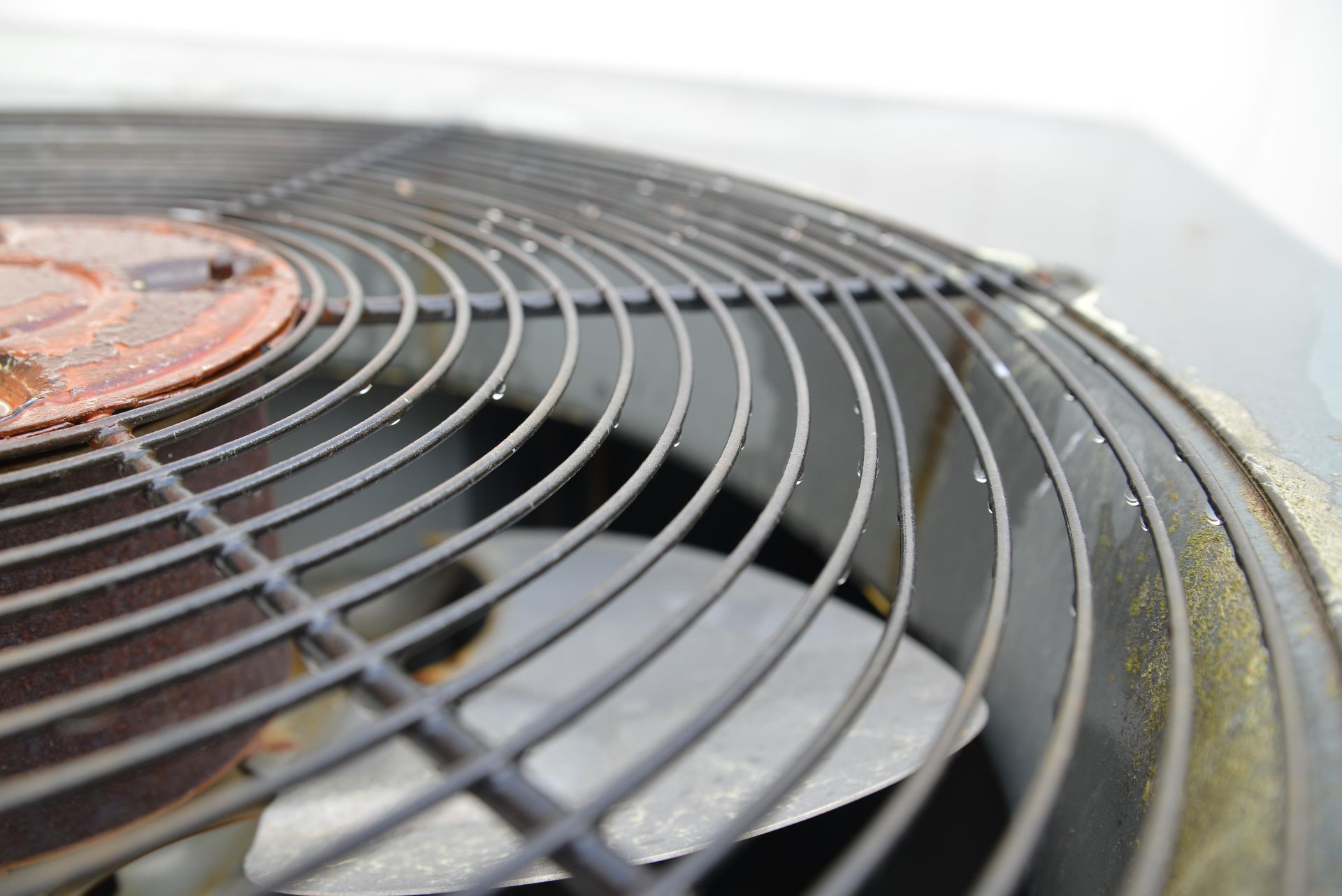
Banging or clanging noises come from loose components like a fan blade that's worked free from the motor shaft, a mounting bracket that's vibrated loose, or debris that's fallen into the outdoor cabinet and strikes the fan with each turn. Squealing typically traces to a blower motor bearing that's lost lubrication and is running dry, or in older systems with belt-driven blowers, a belt that's glazed and slipping on the pulleys. Clicking sounds point to electrical relays rapidly engaging and disengaging, a contactor struggling to pull in due to dirt or wear, or a capacitor failing to provide enough starting voltage to the compressor.
After the noisy component is repaired or replaced, your AC operates quietly with only the normal sound of the fan and airflow through the ductwork. The banging stops because the loose part is secured or the debris is removed, the squealing ends because the motor bearings are replaced or the belt is adjusted, and the clicking disappears because the contactor or capacitor is functioning correctly and the compressor starts smoothly on the first attempt. You'll notice the difference immediately when the system cycles on—it runs quietly and steadily instead of announcing every startup and shutdown with mechanical noise.
Some noises indicate imminent failure and should trigger an immediate shutdown—grinding sounds from the compressor mean internal components are scraping metal-to-metal and continued operation will destroy the compressor, while loud banging can break fan blades or crack refrigerant lines if the loose part isn't secured quickly. Other sounds like a brief squeal at startup are early warnings that give you time to schedule a repair before the component fails completely during peak cooling season.
Common Questions About AC Noise Issues
When your AC starts making noise, you want to know what the sound means, how urgent the problem is, and whether it's safe to keep running the system.
What does a banging noise from my outdoor unit mean?
Banging usually indicates a loose fan blade striking the cabinet or coil guard, a broken mounting foot that lets the whole unit rock and hit the pad, or debris like a stick or acorn that fell into the unit and gets hit by the fan; all of these require the system to be shut off and the outdoor unit inspected before restarting.
Why does my AC squeal when it first starts?
Squealing at startup typically means blower motor bearings are dry and need lubrication or replacement, and in Lexington's dusty conditions where outdoor units accumulate pollen and dirt, bearings wear faster and squeal more frequently after several years of continuous seasonal use.
Is clicking normal when my AC turns on?
A single click when the thermostat calls for cooling and another when it shuts off is normal—that's the contactor closing and opening to send power to the compressor and fan; rapid or repeated clicking without the compressor starting means the contactor or capacitor is failing and the system needs service.
When should I turn my AC off due to noise?
Turn the system off immediately if you hear grinding, metal-on-metal scraping, or loud banging that doesn't stop after the first few seconds; these sounds indicate components that are breaking in real time and continued operation will cause more expensive damage.
Can I wait until the end of the season to fix a squealing blower motor?
A squeal that's present during every cycle means the motor bearings are already worn and the motor is working harder to spin; waiting increases the chance of complete motor failure during a hot stretch when you need the AC most, and a failed motor costs more to replace on an emergency basis than a planned bearing replacement.
White Knoll Heating and Cooling identifies the source of AC noise and explains whether the repair is urgent or can be scheduled during a routine maintenance visit. Call to arrange an inspection and stop the noise before the component fails completely.