30+
Years Of Experience
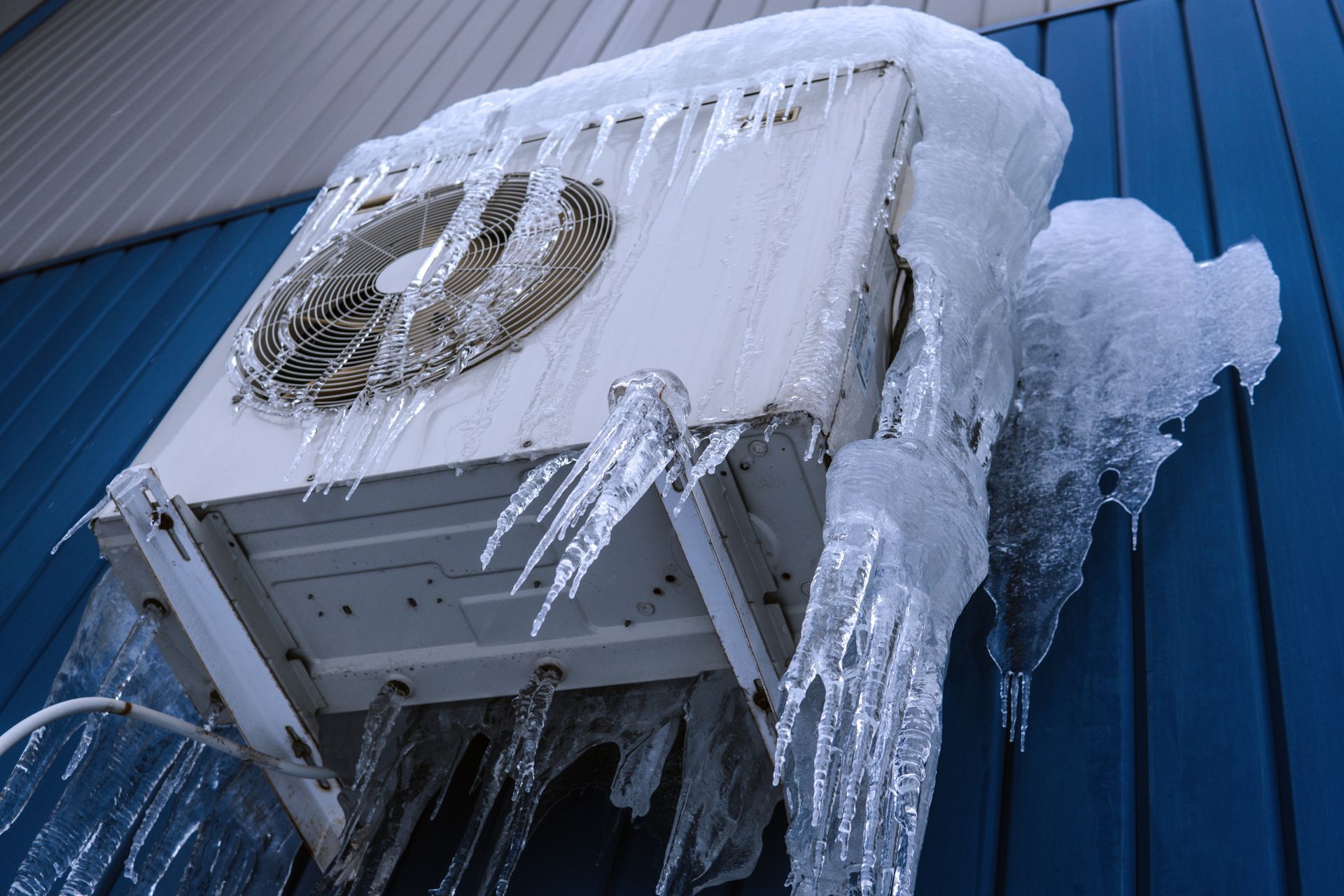
Ice Forming on Your AC System
AC Freezing Up in Lexington for airflow restriction, low refrigerant, and evaporator coil icing
Lexington's heat makes a frozen AC seem impossible, but ice forms on evaporator coils and refrigerant lines when airflow drops too low or refrigerant pressure falls below normal range, both of which cause coil temperatures to plunge below freezing even while outdoor air stays above ninety degrees. White Knoll Heating and Cooling addresses AC systems freezing up due to clogged air filters that choke off airflow, blower motors running too slowly to move enough air across the coil, or refrigerant leaks that lower system pressure and drop coil temperature into freezing territory. Once ice builds up on the coil, it blocks even more airflow and the problem compounds until the system stops cooling entirely and the ice layer grows thick enough to see through the access panel or on the refrigerant lines outside.
If you see ice on your AC, turn the system off immediately at the thermostat and switch to fan-only mode to help melt the ice faster. Running the compressor while ice covers the coil forces the system to work harder without producing cooling, stresses the compressor, and can cause the refrigerant lines to crack from the temperature extremes. Let the ice melt completely before attempting to restart the system, which usually takes two to four hours depending on how thick the ice layer is.
Schedule a service call to identify why your AC froze and to address the airflow or refrigerant issue causing the problem.
What Causes AC Freezing and the Damage It Risks
AC coils freeze when the refrigerant inside them gets too cold, which happens when not enough warm air passes over the coil to keep it above freezing temperature or when low refrigerant pressure causes excessive cooling at the evaporator. A filter clogged solid with dust, supply vents closed in multiple rooms, or a blower motor running at half speed all reduce airflow enough to trigger freezing. Low refrigerant from a slow leak also drops evaporator pressure and temperature, and the coil starts forming frost within minutes once conditions cross the freezing threshold.
Once the system is repaired and airflow or refrigerant levels are corrected, the coil stays dry during operation, the refrigerant lines feel cool but not icy to the touch, and condensation drains away through the drain line instead of freezing on the coil itself. The air coming from the vents feels cold and steady, and the system runs in normal cycles instead of freezing up and shutting down repeatedly. Proper airflow and correct refrigerant charge keep coil temperatures in the range where heat is absorbed efficiently without dropping below freezing.
Frozen coils risk cracking the evaporator from ice expansion, flooding your home if ice melts faster than the drain pan can handle, and burning out the compressor from liquid refrigerant slugging back into it instead of returning as a vapor. The damage from running a frozen system often exceeds the cost of the original repair by hundreds of dollars, which is why shutting the system off as soon as you see ice is critical.
Answers to Frequent Questions About Frozen AC Systems
Frozen AC systems create urgent concerns, and homeowners want to know what to do immediately and what caused the ice to form in the first place.
What should I do the moment I see ice on my AC?
Turn the system off at the thermostat, switch the fan setting to "on" to keep air moving and speed up melting, and remove any visible obstructions like closed vents or a clogged filter; do not attempt to chip or scrape the ice off, as that can damage the coil fins and refrigerant tubing.
How does airflow restriction cause freezing in hot weather?
The evaporator coil absorbs heat from the air passing over it; when airflow slows, the coil can't absorb enough heat to stay warm and the refrigerant inside drops below freezing temperature, which causes moisture in the air to freeze on the coil surface and build up into solid ice.
Can I prevent my AC from freezing again after it's repaired?
Replace your air filter every thirty to sixty days during cooling season, keep all supply vents open even in unused rooms, and schedule annual maintenance to catch blower motor issues or refrigerant leaks before they cause freezing, which is especially important in Lexington where AC units run heavily from May through September.
Why does low refrigerant cause freezing?
Low refrigerant reduces pressure at the evaporator coil, and lower pressure causes the refrigerant to evaporate at a colder temperature; even though the coil is absorbing heat from indoor air, the refrigerant gets cold enough to freeze the moisture on the coil surface.
How long does it take for ice to melt once the system is off?
A typical ice buildup melts in two to four hours with the fan running, though heavy ice layers on outdoor refrigerant lines in shaded areas may take longer; you'll know the ice is gone when you can see the copper tubing clearly and no frost remains on the coil fins.
White Knoll Heating and Cooling responds quickly to frozen AC calls, identifies the root cause, and prevents the issue from recurring. Contact us to get your system evaluated and repaired before further damage occurs.