30+
Years Of Experience
Repair Costs Signal Replacement Timing
When to Replace HVAC Systems in Lexington based on failure frequency, repair costs, and efficiency decline
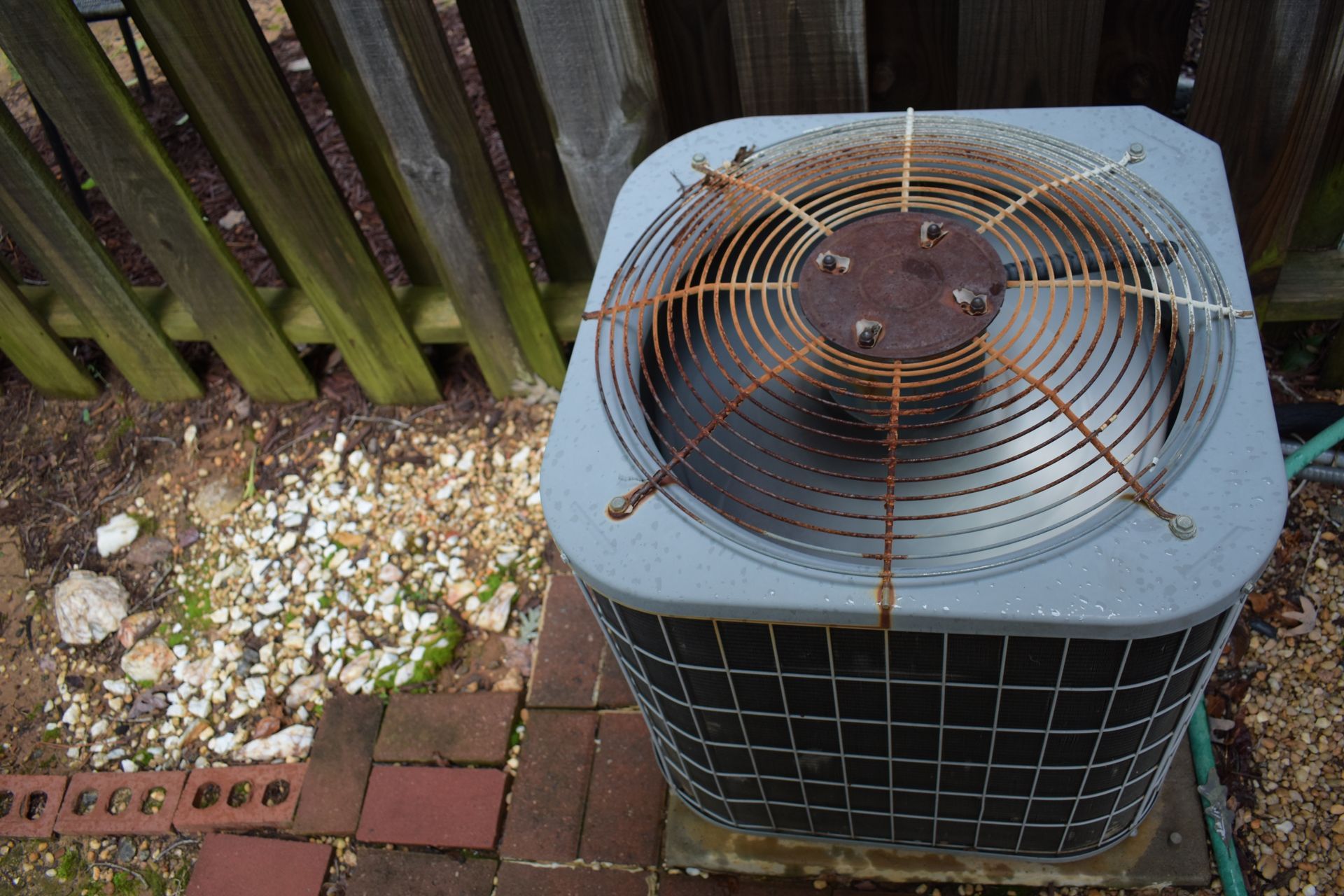
In Lexington's climate, where cooling systems run heavily from May through September and heating equipment operates through unpredictable winter cold snaps, HVAC systems typically last 12 to 17 years before replacement becomes more economical than continued repair. White Knoll Heating and Cooling helps homeowners evaluate whether their heating and cooling equipment should be repaired one more time or replaced entirely, using a decision framework based on age, repair frequency, and comparative operating costs. The question isn't whether the system can be repaired—most failures can be fixed temporarily—but whether investing in an aging system makes financial sense compared to new equipment.
Replacement decisions depend on repair cost relative to system value, the type of component failing, and how many years of reliable service remain after repair. A $400 capacitor replacement on a seven-year-old system makes sense; a $2,200 compressor replacement on a 16-year-old system rarely does, since other major components will likely fail within the next two to three years.
Request a system evaluation that includes age assessment, repair cost analysis, and efficiency comparison to determine whether your equipment should be repaired or replaced.
The Framework for Repair Versus Replacement Decisions
Calculate replacement value by multiplying system age by repair cost—if the result exceeds half the cost of new equipment, replacement typically provides better value. A $1,500 repair on a 14-year-old system equals $21,000 in the age-times-cost calculation, well above the threshold for replacement consideration. This framework accounts for the likelihood of additional failures in aging systems where multiple components reach end-of-life simultaneously.
After replacing an aging system, you'll notice more consistent temperature control, lower monthly utility bills due to improved efficiency, and elimination of the recurring repair calls that characterized the final years of the old equipment. New systems also provide better humidity control during cooling operation and quieter performance without the rattles, hums, and vibrations that develop as components wear.
Other replacement triggers include refrigerant type obsolescence—systems using R-22 face escalating service costs as that refrigerant becomes unavailable—and situations where ductwork modifications or electrical upgrades would be required to continue operating the existing equipment. Sometimes the supporting infrastructure has deteriorated to the point where keeping the old system functioning costs more than complete replacement.
Deciding When Your HVAC System Should Be Replaced
Homeowners facing expensive repairs need clear guidance about when continued investment in aging equipment stops making financial sense compared to new system installation.
How do I know if my HVAC system is too old to repair?
Systems beyond 15 years old with major component failures—compressor, heat exchanger, or evaporator coil—typically cost more to maintain through remaining lifespan than replacement systems cost to install and operate.
What is the age-times-cost rule for replacement decisions?
Multiply the system's age in years by the quoted repair cost in dollars—if that number exceeds half of new system cost, replacement usually provides better long-term value than repair.
Why do multiple problems suddenly appear in older systems?
HVAC components experience similar wear cycles, so when one major part fails after 14 years, others of similar age are likely approaching failure simultaneously, leading to cascading repair needs over the following 12 to 24 months.
Can high-efficiency new systems really offset their installation cost?
Efficiency improvements between a 15-year-old system and current equipment typically reduce cooling costs by 25 to 40 percent in Lexington, where extended cooling seasons make efficiency gains more financially significant than in milder climates.
What happens if I delay replacement too long?
Aging systems that fail during peak summer heat create emergency situations requiring premium-cost expedited installation, whereas planned replacement during moderate weather allows better scheduling, equipment selection, and installation conditions.
White Knoll Heating and Cooling provides honest assessments about whether your system's current condition warrants repair or replacement. Call to review your equipment's repair history, age, and projected costs so you can make an informed decision about investing in repairs versus new installation.