
30+
Years Of Experience
New Systems Sized for Your Actual Load
HVAC Installation in Lexington for homes replacing aging equipment or upgrading undersized systems
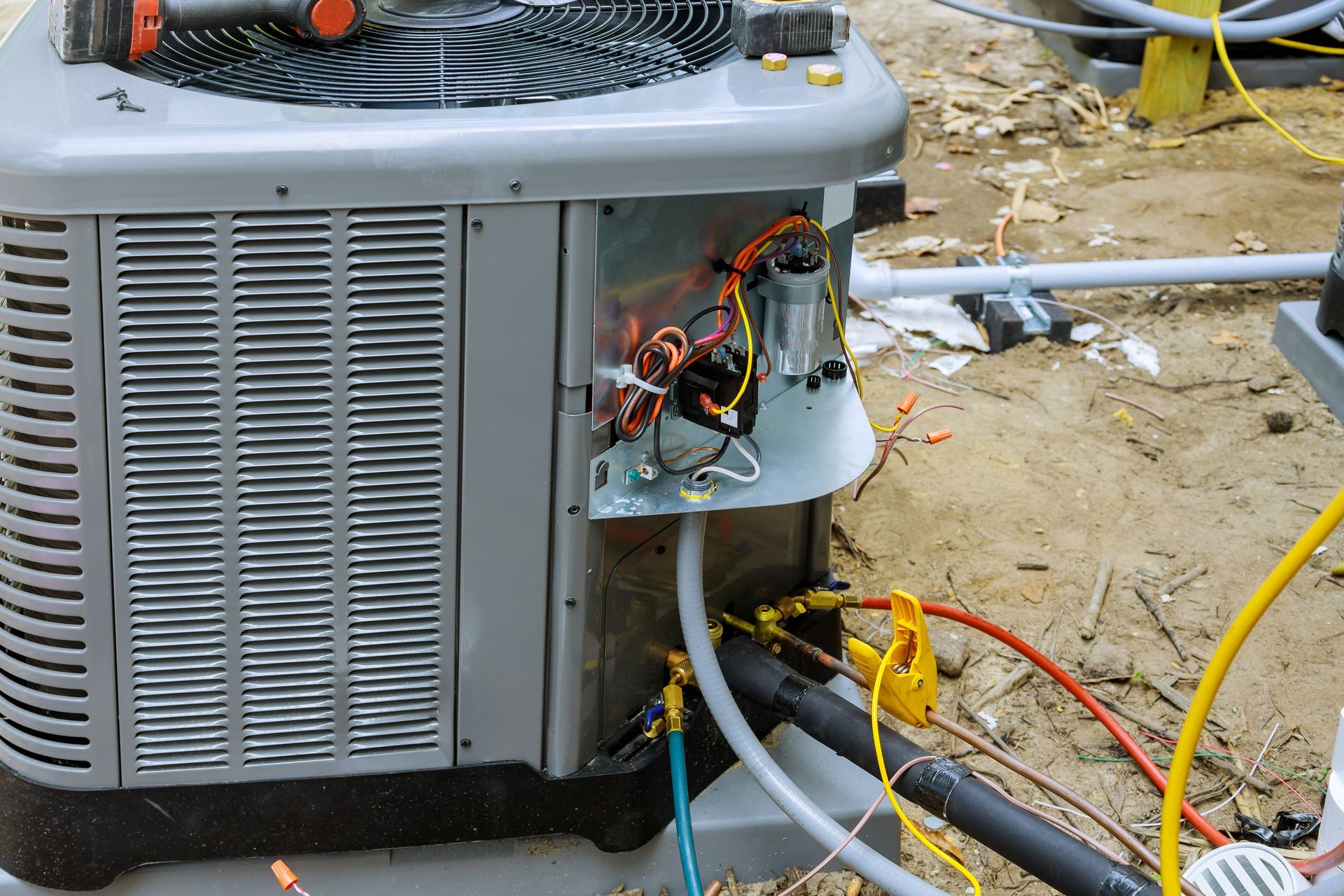
Proper HVAC installation matters more than brand reputation because even premium equipment fails prematurely when incorrectly sized or poorly integrated with existing ductwork. White Knoll Heating and Cooling installs heating and cooling systems in Lexington homes where existing equipment has reached the end of its functional lifespan, typically marked by frequent repairs, declining efficiency, or inability to maintain comfortable temperatures during seasonal extremes. Installation involves load calculation based on square footage, insulation levels, window area, and sun exposure—not just matching the tonnage of the old unit being removed.
System replacement becomes necessary when repair costs approach half the value of a new installation, when the existing system uses obsolete refrigerant no longer available for service, or when runtime doubles but temperature control worsens despite repairs. These patterns indicate core component degradation that won't improve with maintenance.
Arrange an in-home load assessment to determine correct equipment sizing before selecting replacement systems.
Why System Sizing Determines Long-Term Performance
HVAC installation starts with Manual J load calculation, which accounts for ceiling height, insulation R-values, window orientation, and internal heat sources to determine the actual cooling and heating capacity required. Oversized systems cycle on and off too frequently, never running long enough to remove humidity, while undersized systems run continuously without reaching set temperatures during peak demand periods. White Knoll Heating and Cooling matches equipment capacity to calculated load rather than simply replacing existing tonnage, which may have been incorrectly sized during original construction.
Once the new system is operational, you'll notice it reaches thermostat settings without excessive runtime, removes humidity effectively during cooling mode, and maintains even temperatures across rooms that previously had hot or cold spots. The equipment will complete full cycles rather than short-cycling every few minutes, and energy consumption should decrease compared to the failing system it replaced.
Installation quality also depends on refrigerant line installation, electrical connection integrity, condensate drainage slope, and thermostat placement—factors that affect performance regardless of equipment brand. Proper startup includes vacuum testing refrigerant lines, verifying airflow at each register, and confirming the system holds setpoint without continuous operation.
Questions About Installing New HVAC Systems
Homeowners replacing HVAC equipment need clear information about what affects system performance, installation timelines, and how to evaluate whether new equipment is working correctly after installation.
How do you determine the right size HVAC system for my home?
We calculate heating and cooling load using Manual J methodology, measuring insulation levels, window area, air leakage, and occupancy patterns rather than simply matching the tonnage of your current system, which may have been oversized or undersized from the start.
What triggers should make me replace rather than repair my HVAC system?
Systems older than 15 years with major component failures, units requiring refrigerant types no longer produced, and equipment with repair costs exceeding 50 percent of replacement value typically make better candidates for full replacement than continued repair.
How long does HVAC installation take?
Most residential installations require one to two days depending on whether existing ductwork, electrical service, and refrigerant lines can be reused or need replacement to accommodate new equipment specifications.
Does higher SEER rating always mean lower operating costs?
Efficiency ratings matter less than correct sizing—an oversized high-SEER system that short-cycles will use more energy and provide worse comfort than a properly sized standard-efficiency unit that runs complete cycles and removes humidity effectively in Lexington's climate.
What should I check after installation to confirm the system works correctly?
The new system should reach thermostat setpoint within a reasonable time, cycle off once temperature is achieved rather than running continuously, remove humidity during cooling operation, and produce consistent airflow volume at all registers throughout the home.
White Knoll Heating and Cooling provides load calculations and equipment recommendations before installation begins. Schedule a replacement consultation to review your current system's performance issues and receive sizing analysis based on your home's actual heating and cooling requirements.