30+
Years Of Experience
Air Conditioning Failures Don't Wait for Business Hours
Emergency AC Repair in Lexington for systems that stop cooling when temperatures spike
White Knoll Heating and Cooling handles emergency air conditioning failures in Lexington when your system stops producing cool air during peak heat. An emergency isn't just discomfort—it's a cooling system that quits entirely, leaving indoor temperatures climbing faster than the structure can release heat. You'll know it's an emergency when the thermostat setting makes no difference and airflow either stops or runs warm despite all adjustments.
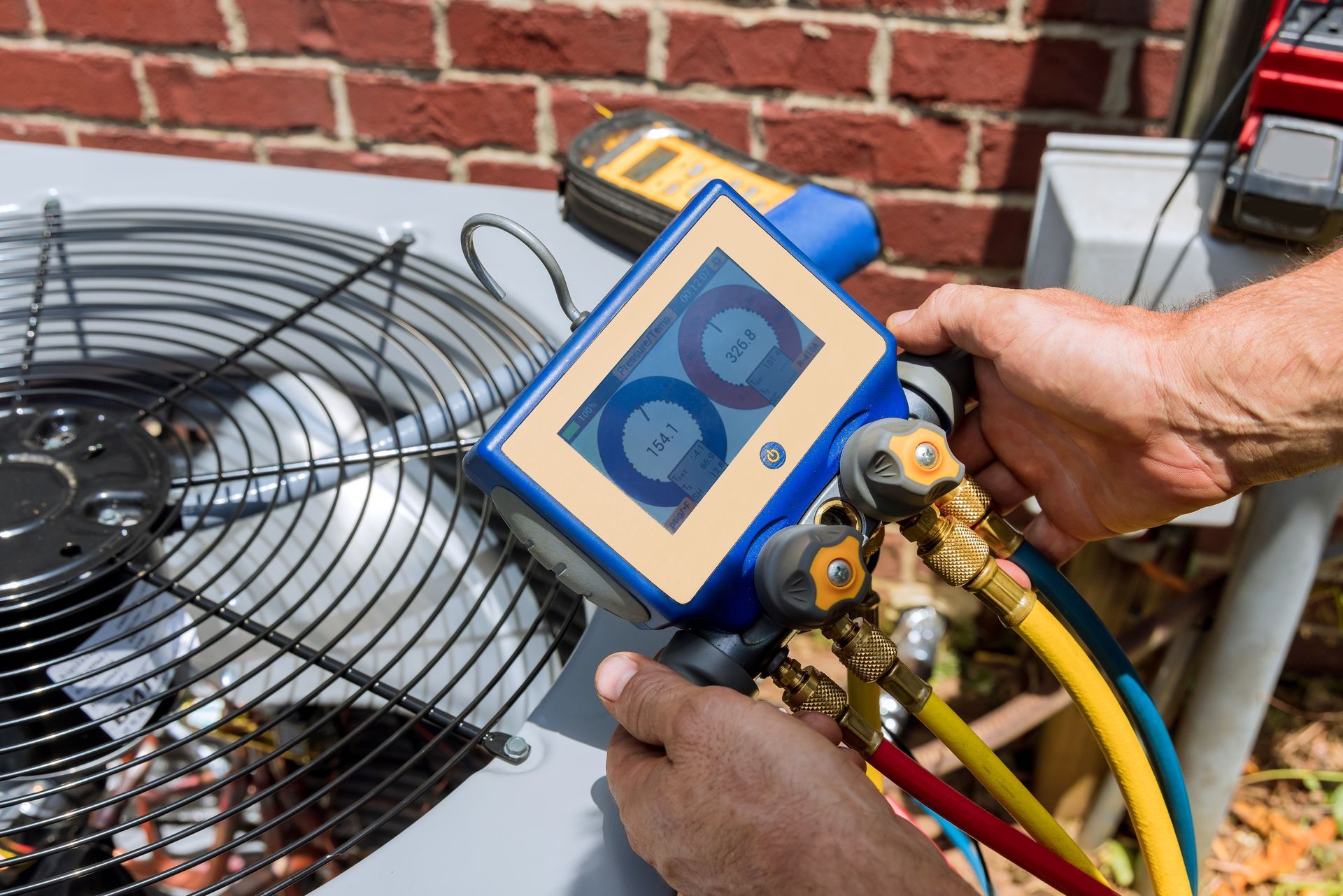
Emergency AC repair addresses failures that create immediate indoor temperature problems: compressor lockout, refrigerant line ruptures, blower motor seizures, or electrical failures that shut down the entire system. These aren't minor performance drops—they're complete system shutdowns that leave homes without functional cooling during the hottest parts of the year.
Schedule a priority service call to restore cooling capacity before indoor temperatures reach unsafe levels.
What Qualifies as an AC Emergency
An emergency repair means the system has stopped cooling entirely, not that it's running less efficiently than usual. The compressor won't engage, the blower won't move air, or the system cycles on and off every few minutes without dropping indoor temperature. These failures typically stem from electrical component burnout, refrigerant loss due to line damage, or mechanical seizure in motors that can't restart under load.
Once the system is operational again, you'll notice the thermostat regains control over indoor temperature, airflow returns to normal volume, and the outdoor unit runs through complete cooling cycles without premature shutoff. The air from vents drops back to the 55–60 degree range typical of properly functioning refrigerant loops, and humidity levels inside the home begin falling within the first hour of restored operation.
Not every AC problem requires emergency response—systems that still cool but run longer than usual, produce reduced airflow, or make new noises can often wait for standard scheduling. Emergency priority applies when no cooling occurs at all and indoor conditions are deteriorating rapidly.
What Homeowners Ask About Emergency AC Service
Questions about emergency air conditioning repair come up when systems fail during the worst possible conditions and homeowners need to understand response expectations and what actually constitutes an urgent situation.
What defines an AC emergency versus a regular service call?
Complete loss of cooling capacity during extreme heat qualifies as an emergency, particularly when indoor temperatures exceed safe levels for vulnerable occupants or when the system won't run at all despite correct thermostat settings.
How quickly can emergency AC repairs be completed?
Response time depends on the failure type—electrical issues and component replacements can often be resolved within hours if parts are available, while refrigerant line repairs or compressor replacements may require longer timelines even under emergency conditions.
What causes air conditioners to fail suddenly during peak heat?
Compressor motors fail under sustained high load, electrical contactors weld shut or burn open from repeated cycling, and capacitors weaken until they can no longer start the system—all failures accelerated by the continuous operation that Lexington summers demand from cooling equipment.
Can I prevent emergency AC failures?
Regular maintenance catches failing capacitors, loose electrical connections, and low refrigerant levels before they cause total shutdowns, but even well-maintained systems can experience sudden component failures during extreme temperature events when equipment runs at maximum capacity for days without rest.
What should I do while waiting for emergency repair?
Set the thermostat to a higher temperature to reduce strain if the system is attempting to run, close blinds and doors to slow heat gain, and avoid using heat-generating appliances until cooling is restored—these steps won't fix the system but can slow indoor temperature rise.
White Knoll Heating and Cooling prioritizes calls when systems have stopped cooling entirely and indoor conditions are worsening. Contact our dispatch line to report a complete cooling failure and receive response time estimates based on current service demand and the specific failure you're experiencing.